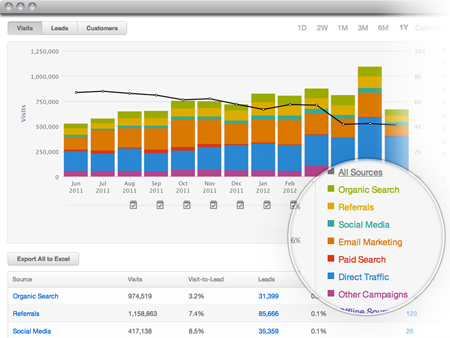
Multi-channel and omni-channel may sound similar, but they reflect two distinct marketing approaches. Multi-channel uses several platforms, like email, social media, and in-store, to reach customers, but each channel typically works on its own without sharing data.
Omni-channel integrates every touchpoint into a single, connected experience. Whether someone browses your site, visits a store, or contacts support, their journey feels seamless. Knowing the difference helps you choose the strategy that best supports your business goals.
What is Multi-Channel Marketing?
Multi-channel marketing connects with customers across multiple platforms. Each channel works independently, so messages may vary from one platform to another.
This approach helps brands reach more people without needing full integration. Think of it as separate lanes heading in the same direction. For growing businesses, it's a practical way to expand reach without heavy tech requirements.
Benefits of Multi-Channel Marketing
-
Wider audience reach: Reaching customers across different platforms increases the chance of meeting them where they spend time, even if they only follow you on one channel.
-
Flexibility and adaptability: You can adjust strategies per channel, shifting focus when one platform performs better than others.
-
Easier to scale: Brands can test one channel at a time before committing to larger, more complex campaigns.
-
Increased conversion opportunities: More channels mean more chances for your message to be seen and acted on.
This approach is often considered a good first step for companies exploring broader reach without requiring major technical investments.
Limitations of Multi-Channel Marketing
-
Fragmented experience and inconsistent messaging: Without shared data, customers may see conflicting messages across platforms, which can reduce trust.
-
Limited tracking and visibility: It is more difficult to follow a customer’s full journey when data is not connected across platforms.
-
More effort as you grow: Managing each channel separately requires more time, content, and resources.
-
Channel competition: When multiple platforms compete for the same customer attention, it can be hard to measure which one influenced a sale.
When choosing between multi-channel and omni-channel, consider how important a consistent customer journey is to your brand. This will guide the right long-term strategy.
What is Omni-Channel Marketing?
Omni-channel marketing connects every customer interaction across platforms to create a seamless, consistent experience. Whether someone browses your website, visits a store, or contacts support, messaging and service stay unified.
This approach lets data flow between systems, helping brands better understand and respond to customer needs. The result is a smooth journey that builds trust and makes engagement easier at every step.
Benefits of Omni-Channel Marketing
Omni-channel strategies offer several key advantages for brands ready to invest in a connected experience:
-
Better customer engagement: When people feel seen and understood, they’re more likely to interact and stay involved with your brand.
-
Higher customer loyalty: A smooth, reliable experience encourages repeat purchases and long-term relationships.
-
Stronger brand consistency: Unified messaging across platforms improves recall and reinforces your brand identity.
-
Increased ROI: When every touchpoint is coordinated, marketing efforts become more efficient and effective.
For businesses comparing multi-channel vs omni-channel, this approach can lead to better results and deeper customer connections.
Challenges of Omni-Channel Marketing
Despite the upside, omni-channel marketing comes with its own set of challenges:
-
Higher upfront costs: Integrating systems and data may require significant investment in software and staff.
-
Technical complexity: Making all channels work together calls for a strong tech stack and experienced team members.
-
Data privacy and management: With more shared information, brands must maintain strict control over data accuracy, security, and compliance.
While the setup can be demanding, a well-executed omni-channel strategy often delivers long-term gains that outweigh the early hurdles.
Key Differences: Multi-Channel vs Omni-Channel Marketing
The real difference isn’t the number of platforms, but how they work together. Multi-channel treats each channel separately. Omni-channel connects them into a unified system focused on the customer experience.
|
Category
|
Multi-Channel Marketing
|
Omni-Channel Marketing
|
|
Integration
|
Channels operate separately, with no shared data or strategy
|
All channels are connected, with data flowing between them
|
|
Customer Journey
|
Disconnected experiences; actions across channels aren’t linked
|
Seamless experience where each interaction builds on the last
|
|
Personalization
|
Limited to individual channels; often generic or outdated
|
Data-driven and consistent; tailored in real time across platforms
|
|
Messaging Consistency
|
Varies by platform; offers and content may not match
|
Unified messaging across all touchpoints
|
|
Technology
|
Simpler setup; limited insights and siloed systems
|
Requires integrated systems like CRMs, CDPs, and automation tools
|
|
Customer Engagement
|
Mixed experiences can lower trust and reduce conversions
|
Relevant, connected experiences build loyalty and drive engagement
|
Choosing the Right Approach for Your Business
Choosing between multi-channel and omni-channel marketing is about more than just tools. It’s about aligning your strategy with your goals, resources, and customer expectations.
Both approaches offer value, but the right fit depends on how you want to serve your audience and how connected your internal systems and teams are. If you're looking to level up your customer experience, moving toward omni-channel can provide a clear advantage.
How Do You Transition from Multi-Channel to Omni-Channel Marketing?
Unify customer data, map the journey, align teams, connect your tech, automate/personalize, then measure and refine. For businesses ready to shift from operating across separate platforms to delivering a seamless, customer-focused experience, here’s how to get started.
1. Unify customer data
Centralize customer information into one system. Whether someone browses your site, shops in-store, or contacts support, all data should feed into a single profile. Use tools like CRMs or customer data platforms to give every team a shared view.
2. Map the customer journey
Outline how customers find, interact with, and buy from your brand. Identify gaps or friction between touchpoints, then plan improvements to create a smoother experience.
3. Align internal teams
Omni-channel success depends on cross-team collaboration. Marketing, sales, service, and IT must share goals and work together. Customer experience should be a shared responsibility.
4. Connect your tech stack
Integrate platforms like e-commerce, POS, marketing automation, and analytics. Systems should sync automatically to support a seamless experience.
5. Automate and personalize
Use automation to deliver timely, relevant messages based on behavior. From cart reminders to loyalty perks, automation enables personalization at scale.
6. Measure and refine
Track metrics like engagement, retention, and performance across channels. Use dashboards to find what’s working, spot gaps, and adjust your strategy based on real data.
Quick Tips:
-
Start small with the most impactful channels before expanding.
-
Focus on where your customers already engage most often.
-
Provide training so teams understand both the tools and the strategy.
-
Prioritize data privacy and earn customer trust at every step.
Transitioning from multi-channel to omni-channel takes time and effort, but each step brings you closer to delivering the kind of connected, personal experience today’s customers expect.
Moving Toward a Smarter Strategy
The real difference between multi-channel and omni-channel marketing isn’t how many platforms you use, it’s how well they work together. Multi-channel gets you in front of more people, but omni-channel creates the kind of seamless, personalized experiences today’s customers expect.
If you’re looking to build stronger connections, higher engagement, and better ROI across every touchpoint, omni-channel is the smarter, more strategic path.
At Inbound 281, we help businesses shift from scattered efforts to unified experiences. Need help? Contact our team or schedule a meeting with our advisor to get started unifying your customer experience and driving conversions.




 Inbound 281 : October 10, 2023 8:32:00 AM EDT